Choosing Buses for Senior Groups With Confidence
A group can be excited about a Broadway matinee, a Long Island luncheon, or a family celebration and still have a difficult day if transportation feels rushed, crowded, or physically demanding. Choosing buses for senior groups begins with understanding the people on board, not simply counting seats. The right vehicle and a well planned schedule give every passenger more time to enjoy the occasion and less time managing travel details.
For organizers, that means looking beyond the destination. Consider how easily guests can enter and exit, how long they will remain on the road, whether they need a restroom, and how much walking is involved before and after each stop. A professional transportation provider can help turn those answers into a vehicle plan that supports a comfortable, dependable trip.
Start With the Group, Not the Vehicle
Passenger count is essential, but it is only one part of planning. Ask attendees about mobility considerations early, especially when organizing for a senior center, retirement community, extended family, church group, or social club. Some guests may use canes, walkers, or wheelchairs. Others may walk independently but appreciate extra time getting settled and a vehicle with easy entry.
It is equally helpful to understand the pace that works for the group. A busy itinerary with multiple stops may be enjoyable for active travelers, while another group may prefer fewer destinations and longer breaks. A realistic schedule gives the driver time to reach each location safely and lets passengers board without feeling hurried.
Comfort is personal. Some groups value additional room to spread out, while others need a restroom for a longer journey. Asking a few thoughtful questions before reserving transportation can prevent a vehicle that technically fits the group but does not fit the day.
Choosing Buses for Senior Groups by Trip Length
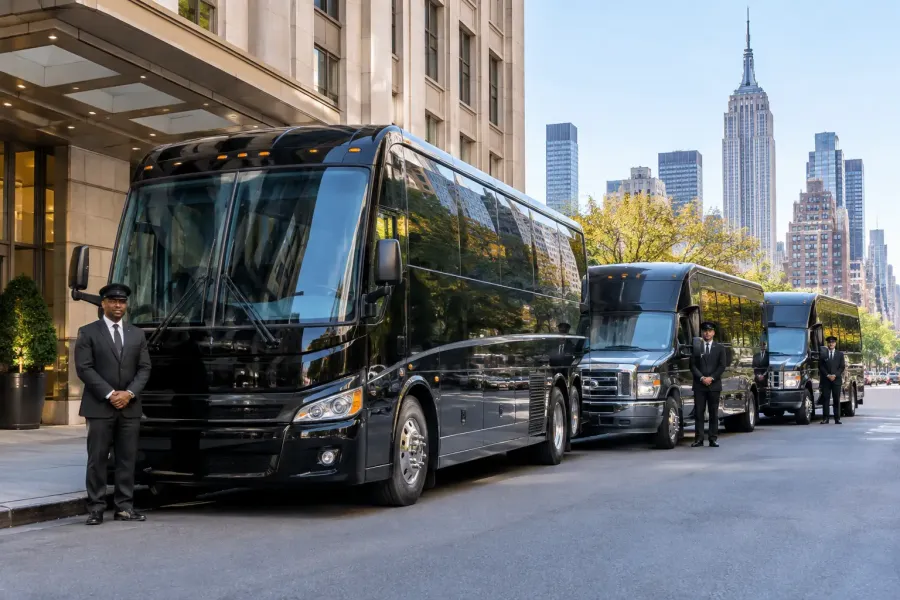
Vehicle size should reflect both the number of passengers and the nature of the itinerary. A Mercedes Benz Sprinter van can be a practical choice for up to 14 passengers traveling together for an airport transfer, dinner, medical appointment, or local outing. It keeps a smaller group together without placing guests in several separate vehicles.
For groups of up to 24 or 36 passengers, a minibus offers more seating while remaining a practical option for many New York City and Long Island destinations. It can work well for sightseeing, private events, visits to museums, and day trips where the group wants a comfortable ride and straightforward coordination.
A full size motor coach accommodates up to 56 passengers and is often the better choice for a large senior group or a longer regional trip. Its larger interior gives passengers room for personal belongings and allows everyone to travel together. Many full size motor coaches include restroom facilities and WiFi, features that can make a meaningful difference on a day long excursion or an extended airport transfer.
There is a tradeoff to consider. A larger vehicle offers more capacity and amenities, but some venues have limited loading space or more challenging access. An experienced transportation team can review the destinations, passenger count, and timing to recommend the most appropriate option.
Safe Access and Comfortable Seating Matter
For senior passengers, the moments before departure and after arrival often deserve as much attention as the ride itself. Confirm where the vehicle will load and unload, whether there is a curbside location available, and how far guests must walk to reach the entrance. A convenient loading location can reduce fatigue before the event even begins.
Share mobility needs clearly when requesting a quote. If members of the group use mobility devices or need special assistance, discuss those requirements in advance so the transportation plan can be evaluated carefully. Do not assume that every vehicle configuration will meet the same needs. Clear communication gives the provider the opportunity to recommend a suitable solution and arrange the trip appropriately.
Once on board, passengers benefit from a clean, well maintained vehicle, comfortable seating, and a professional driver who understands the schedule. Keep aisles clear of bags whenever possible, particularly during longer trips. If the group is bringing walkers, gifts, coats, or luggage, mention it before booking. Storage needs can influence the right vehicle choice.
Build an Itinerary That Respects Time
A senior group itinerary should allow time for more than driving. Include reasonable boarding time at every stop, particularly after a meal, performance, or attraction when guests may return at different paces. A few additional minutes in the schedule can create a calmer experience for passengers and the organizer.
New York City requires especially thoughtful timing. Traffic, event activity, street access, and venue procedures can affect arrival plans. For a museum visit in Manhattan or a group outing in Brooklyn, the driver should have a clear pickup location and an agreed upon return time. The organizer should also give passengers simple instructions on where to meet after the visit.
For airport transportation, build in time for baggage, terminal access, and the natural variation that comes with group travel. Transfers to JFK International Airport, LaGuardia Airport, Newark Liberty International Airport, or Long Island MacArthur Airport are easier to manage when the provider has accurate flight details, passenger counts, luggage expectations, and contact information for the day of travel.
Avoid planning every minute of the day. A comfortable pace creates space for restroom breaks, unexpected delays, and the conversations that make a group outing worthwhile.
Ask the Right Questions Before You Reserve
A transportation reservation is stronger when the organizer and provider have the same picture of the trip. Explain the purpose of the outing, the ages and needs of the passengers, every pickup and destination, the desired arrival time, and the expected return time. Include the number of guests, plus any staff members, family members, or chaperones traveling with the group.
It is also wise to ask about the vehicle type, passenger capacity, restroom availability when needed, luggage space, and the process for itinerary changes. Confirm how your group will communicate with the transportation team on the day of service. A direct point of contact helps resolve small questions quickly if an event runs late or a pickup location changes.
Professional drivers bring more than driving experience. They support the overall flow of the trip by arriving prepared, following the agreed schedule, and handling the road so passengers can focus on the occasion. For a group organizer, that support is especially valuable when coordinating guests with different mobility levels and travel preferences.
Plan for the Details Guests Will Remember
Passengers may not remember the exact route, but they will remember whether they felt comfortable and looked after. Encourage guests to arrive a little early, wear clothing suited to the weather, and bring necessary medications, water, and personal items. For a full day outing, provide a simple printed itinerary with pickup times, destinations, and the organizer’s phone number.
Consider the final return as carefully as the departure. A familiar, well lit drop off location is reassuring, particularly for an evening event. If passengers are being returned to several locations, plan the order in advance and communicate it clearly. Predictability makes the end of the trip easier for everyone.
New York Bus Service helps organizers coordinate charter buses, minibuses, and Mercedes Benz Sprinter vans around the group size, itinerary, and comfort needs. With a properly selected vehicle, an experienced professional driver, and enough time built into the plan, transportation becomes a reliable part of a day your guests can look forward to.