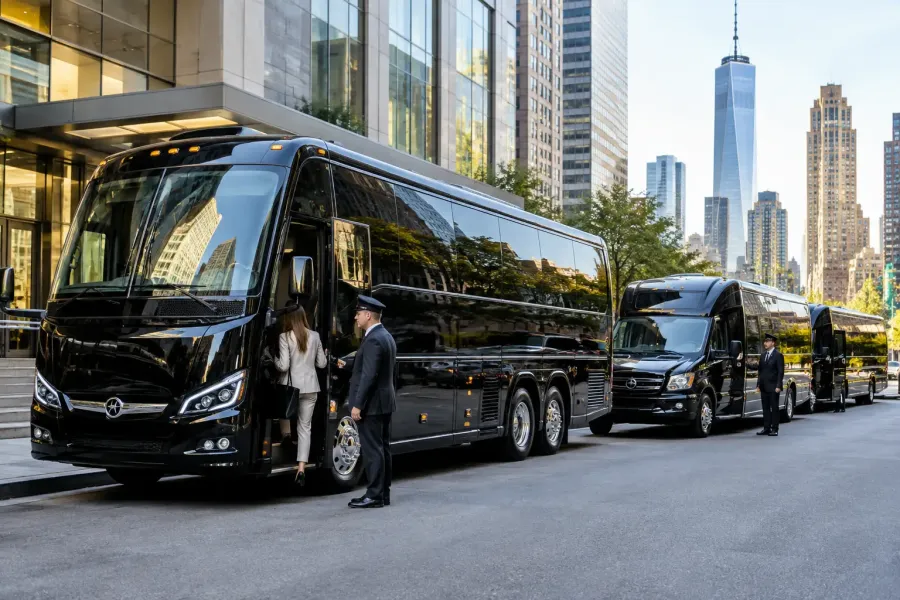
The Future of Group Travel Is Better Planning
A group can arrive at the same venue, airport, or celebration with very different experiences. One group arrives scattered, late, and focused on parking or directions. Another arrives together, on schedule, and ready for the event ahead. That difference is at the center of the future of group travel. The biggest change will not simply be newer vehicles or more digital tools. It will be better coordination, clearer communication, and transportation planned around the people on board.
For corporate administrators, wedding coordinators, school staff, and family trip organizers, transportation is no longer an afterthought. It is part of the event experience. A dependable vehicle, a professional driver, and a realistic schedule help protect the time, comfort, and confidence of every passenger.
The Future of Group Travel Starts With Coordination
Group transportation has always required planning, but expectations are rising. Passengers expect accurate pickup details, clean vehicles, room for luggage, and a trip that respects their time. Organizers need one reliable point of contact who understands the itinerary and can match the vehicle to the group.
This is especially true in New York City and Long Island, where traffic conditions, airport procedures, venue access, and event timing can change quickly. A transportation plan that looks simple on paper may become complicated when multiple arrivals, luggage needs, or timed entries are involved. The right provider helps account for those details before the day of travel.
The most effective group trips will be built around a complete schedule rather than a single pickup time. That means considering when passengers should arrive, how long boarding will take, where the driver can safely wait, and what happens if an event runs longer than expected. This level of preparation is valuable for airport transfers, corporate meetings, weddings, school trips, sporting events, and private tours alike.
One Vehicle Can Create a Better Shared Experience
When a group travels in separate personal vehicles, every stop introduces uncertainty. People can take different routes, arrive at different times, or struggle to find parking. Those issues can affect more than convenience. They can delay a meeting, reduce time at an event, or place extra pressure on the organizer.
Traveling together gives the group a shared starting point and a coordinated arrival. Colleagues can review the day before a conference. Wedding guests can relax before the celebration. Families can enjoy the ride instead of managing directions. For school and youth groups, keeping passengers together also gives staff greater visibility throughout the trip.
A private charter bus, minibus, or Mercedes Benz Sprinter van is not the right answer for every occasion. A small executive group may prefer a Sprinter van, while a larger wedding party or athletic team may need a motor coach. The value comes from selecting a vehicle that fits the passenger count, luggage, route, and time on board.
Technology Will Support, Not Replace, Service
Digital planning tools will continue to make group travel easier. Organizers can expect quicker confirmations, clearer trip details, more efficient dispatch communication, and better visibility into schedules. These improvements are helpful, particularly for events with several pickup locations or changing passenger counts.
Still, technology cannot replace experienced transportation planning. An automated confirmation does not determine whether a hotel entrance has enough space for a full size motor coach. A route estimate does not always account for a stadium crowd, an airport terminal change, or an event ending at the same time as several others nearby.
The future will favor transportation companies that combine practical tools with knowledgeable people. A professional who asks the right questions can identify potential issues early. How many passengers will have luggage? Is the group traveling with children, seniors, or equipment? Does the venue have a designated bus entrance? Are there multiple flights arriving at JFK, LaGuardia, Newark Liberty, or Teterboro Airport? The answers shape a more reliable trip.
Comfort Will Be Planned, Not Treated as an Extra
Comfort is becoming a more meaningful part of group travel decisions. Passengers notice whether there is sufficient seating, climate control, clean interiors, and space for personal items. For longer trips, onboard restrooms and WiFi may also affect the best vehicle choice.
Comfort should be evaluated in relation to the itinerary. A short transfer between a Manhattan office and an event venue has different needs than a full day wine tour on Long Island or a regional trip for a school group. Choosing a vehicle based only on its maximum capacity can leave too little room for luggage or make a longer journey less pleasant.
Modern fleets give organizers more options. A Mercedes Benz Sprinter van can accommodate up to 14 passengers and works well for executive transportation, small airport groups, or private outings. Minibuses accommodating 24 or 36 passengers provide an efficient option for many local events. For larger groups, full size motor coaches accommodating up to 56 passengers can offer additional space and may include restrooms and WiFi.
The best choice depends on the trip, not just the headcount. A professional transportation partner can recommend a practical fit while accounting for passenger comfort and the full itinerary.
Safety and Reliability Will Remain the Standard
New technology and changing travel habits will not alter the fundamentals of dependable group transportation. Passengers and organizers need trained professional drivers, properly maintained vehicles, careful scheduling, and clear communication. These are not premium features. They are the baseline for a well managed trip.
Vehicle condition matters before passengers step aboard. Regular inspections, preventative maintenance, and a clean interior help support a comfortable experience. Driver experience matters throughout the trip, particularly when navigating dense city streets, airport roadways, hotel access points, and busy event districts.
Reliability also means planning for realistic conditions. A responsible transportation schedule includes time for traffic, boarding, airport procedures, and unexpected delays. Promising an overly tight schedule may sound appealing at first, but it can create stress later. A better approach is to build in reasonable time and communicate clearly about pickup expectations.
For organizers, this provides reassurance. Rather than coordinating several drivers or answering repeated questions from passengers, they have a structured transportation plan and a professional driver focused on the road.
Flexible Itineraries Will Matter More
Group travel is becoming more personalized. Corporate groups may need transportation for an office, dinner reservation, and hotel return. Wedding transportation may require separate trips for the wedding party and guests. A private sightseeing tour may include specific neighborhoods, museums, restaurants, or photo stops selected by the group.
This flexibility is valuable, but it works best when the itinerary is shared in advance. Transportation providers need to understand planned stops, timing priorities, passenger count, and any special considerations. Last minute adjustments may be possible in some situations, but advance planning gives the driver and dispatch team the best opportunity to support the group effectively.
New York Bus Service helps groups build transportation around the occasion, whether that means a direct airport transfer, a multi stop corporate itinerary, a school outing, or a special event on Long Island. Personalized planning allows the trip to serve the group instead of forcing the group to fit a generic schedule.
What Organizers Should Do Now
The future of group travel will reward organizers who begin transportation planning early. Confirm the passenger count, identify luggage needs, gather flight or venue details, and consider the complete schedule from the first pickup through the final return. Those details help determine the appropriate vehicle and create a more accurate quote.
It is also wise to consider the passenger experience. Ask where people will meet, how they will recognize the vehicle, and who will communicate updates if plans change. A simple, clearly shared plan reduces confusion and helps everyone board with confidence.
The most successful group trips will feel uncomplicated because the preparation happened before the vehicle arrived. When the schedule is realistic, the vehicle fits the group, and a professional driver is ready at the right place and time, transportation becomes one less thing to manage. Start with the details that matter to your group, and give every passenger a calmer, more comfortable way to travel together.