School Transportation That Keeps Trips on Track
A field trip can lose valuable instructional time before students ever reach the destination. A late arrival, an unclear pickup point, or too many personal vehicles can create avoidable pressure for staff and families. Professional school transportation gives organizers one clear plan for getting students, chaperones, and materials where they need to be, on schedule and together.
For schools, camps, colleges, and youth organizations throughout New York City and Long Island, transportation is more than a ride between two locations. It is a coordinated part of the day. The right vehicle, driver, timing, and communication plan can help the group focus on the museum visit, campus tour, performance, competition, or academic program ahead.
What Reliable School Transportation Requires
A successful trip begins with details that are often overlooked during early planning. Group size matters, but it is only one part of the decision. Organizers also need to consider the ages of travelers, the number of chaperones, the amount of equipment or lunches being carried, the destination schedule, and the pickup and return locations.
In New York City, a few blocks can make a major difference. Schools may need a safe curbside loading location that does not interfere with dismissal traffic. Attractions, colleges, and performance venues may have specific bus arrival instructions. A professionally planned itinerary accounts for these operational details before the day of travel, rather than leaving staff to solve them while supervising students.
A private vehicle also keeps the group together. Instead of coordinating several cars, tracking separate arrivals, or asking families to navigate unfamiliar routes, staff can travel with students in one organized group. This makes attendance checks simpler at departure, during the event, and before the return trip.
Choose a Vehicle That Fits the Group and the Day
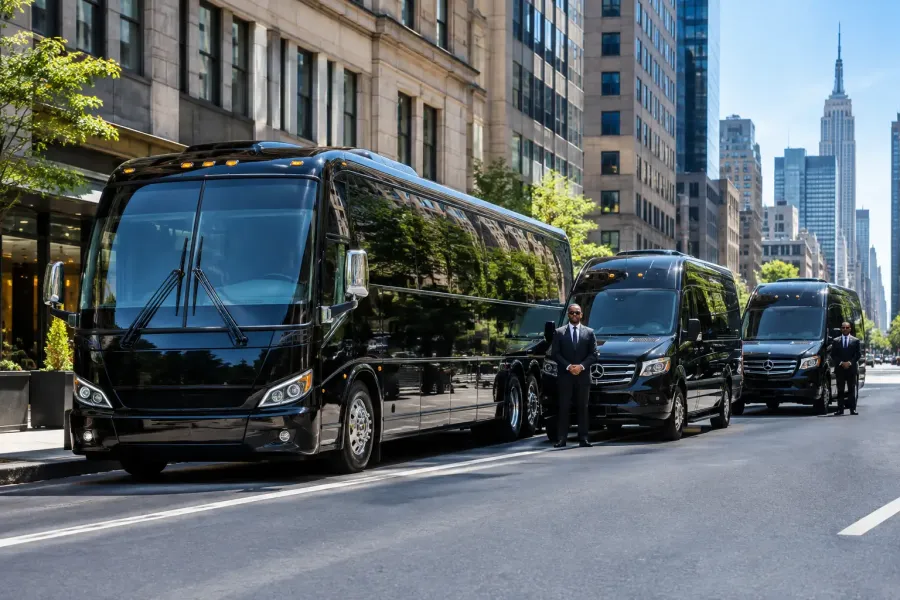
Vehicle selection should reflect the actual trip, not simply the largest number of available seats. A Mercedes Benz Sprinter van can be a practical option for a small faculty group, a college admissions visit, or a student leadership program with up to 14 passengers. For medium size classes and smaller programs, a 24 or 36 passenger minibus provides comfortable group travel without reserving more space than necessary.
For larger classes, multiple grades traveling together, or long distance academic events, a full size motor coach can accommodate up to 56 passengers. Motor coaches may include onboard restrooms and WiFi, features that can be particularly useful for extended travel days. The best choice depends on passenger count, route length, luggage, accessibility needs, and the level of comfort desired.
It is wise to provide an accurate passenger total early, then update the transportation provider as attendance is finalized. This gives the provider time to assign an appropriate vehicle and helps ensure there is room for adults, student belongings, instruments, sports equipment, or educational supplies.
Planning School Transportation Around Your Schedule
Educational trips rarely follow a simple point to point schedule. A morning museum program may require a precise arrival window. A campus visit may include a tour, lunch, and a presentation in different buildings. An athletic team may need time for warmups, equipment unloading, and a planned return after the event concludes.
A transportation plan should reflect the full itinerary. Share the requested pickup time, desired arrival time, destination address, expected release time, and any secondary stops. If the group is attending a timed event, plan to arrive early enough for students to use restrooms, unload safely, and gather before checking in.
For New York City destinations, travel time should include more than mileage. Traffic patterns, loading restrictions, bridge and tunnel routes, school dismissal periods, and event congestion can all affect timing. This is especially relevant for trips into Manhattan, Brooklyn, Queens, and major venues where bus access may be managed closely.
The most useful trip information to confirm before departure includes:
- The exact pickup address and the preferred loading area.
- The final passenger count, including students, staff, and chaperones.
- The destination contact and any bus arrival instructions.
- The complete itinerary, including meal stops, return timing, and additional locations.
- A primary school contact who can communicate with the driver on the day of service.
Clear information supports punctual service and gives school staff confidence that everyone is working from the same schedule.
Build Time for Real World Variables
Field trips are not always predictable. A school assembly can delay dismissal. A venue can change its entry procedure. Weather can affect travel conditions, and students may need more time than expected to board. A practical itinerary includes reasonable time for these moments.
That does not mean building excessive downtime into every trip. It means identifying which parts of the day are fixed and which parts have flexibility. If a theater curtain time cannot change, the group may need an earlier departure. If a campus visit has a flexible arrival period, organizers may have more room to adjust. Discussing these priorities in advance helps the transportation plan serve the event, rather than forcing the event to work around the vehicle.
Safety, Supervision, and Clear Communication
School transportation works best when transportation professionals and school staff each understand their roles. The professional driver is responsible for operating the vehicle safely and following the planned route. School personnel remain responsible for student supervision, attendance procedures, and behavior expectations.
Before the trip, staff should establish a simple boarding process. Students can be counted before entering the vehicle, assigned to chaperone groups, and reminded to remain seated while the vehicle is in motion. For younger travelers, a seating plan may make headcounts easier. For older students, clear expectations about departure times and return boarding are often enough.
Communication is equally important. The trip coordinator should have the driver contact information or dispatch procedure provided by the transportation company. The driver should know who the designated school contact is. At busy destinations, this direct line of communication helps staff coordinate the correct pickup area without asking students to wait in an uncertain location.
New York Bus Service supports school trips with professionally driven vehicles selected for the needs of each group. Clean, well maintained transportation and careful scheduling help staff concentrate on their students and the purpose of the trip.
When a Charter Bus Makes the Most Sense
A charter bus is often the right fit when a group needs to travel together beyond the immediate neighborhood, especially for full day programs, campus tours, sporting events, and regional educational travel. It can also simplify logistics when a large number of students would otherwise arrive in separate vehicles.
The value is not limited to passenger capacity. Traveling together keeps the day organized. Chaperones can complete headcounts in one place, students arrive at the same time, and the return trip begins from a clearly defined pickup plan. For longer travel, a full size motor coach with an onboard restroom can reduce the need for additional stops.
A minibus may be more appropriate for a smaller class, an after school club, or a group that needs efficient transportation within the city. The right decision depends on the group, not a one size fits all formula. An experienced transportation provider can help organizers match the vehicle to the itinerary rather than paying for capacity they do not need.
A Better Starting Point for Your Next Trip
Begin transportation planning as soon as the destination and date are under consideration. Early coordination provides more options for vehicle size and departure timing, particularly during busy school seasons and popular event dates. It also gives organizers time to confirm permissions, chaperone availability, student counts, and venue procedures.
When requesting a quote, provide the trip date, pickup location, destination, approximate passenger count, and schedule. If your group has special routing needs, multiple stops, luggage, equipment, or accessibility considerations, include those details from the start. A complete request leads to a more accurate plan.
The strongest school trips feel organized from the first headcount to the final return. With thoughtful planning and dependable group transportation, the ride becomes a reliable part of the learning experience, not another problem for staff to manage.